.png)
Dyslexia is the world's most common learning disorder, and accounts for 80 to 90 percent of all learning disability cases. In terms of the general population, it is approximated that 1 in 5 Americans are dyslexic or struggle with its symptoms. But because dyslexia cannot be "cured" or outgrown and can be passed down from relatives, there is no way to prevent a child from having it. However, I plan to make every dyslexic child's struggle to understand and excel in reading easier by developing an online dyslexia accommodation program.
My online accommodation will offer many different features and functionalities to aid the dyslexic reader, but there is one that will act as the central focus, or backbone, of the program. This is the text-to-image software that I plan to serve at the accommodation's forefront. The reason this specific piece will be highlighted is because of its difficulty and innovation required to create it. Currently, there is no program that can accurately and reliably simulate a human's creativity, and you can see for yourself at Deep AI's Text to Image API. Other features will include text-to-speech, speech-to-text, and dyslexia-friendly text formatting. These have all been proven to help dyslexic children on developing reading skills.
.jpg)
.png)
I plan for my online dyslexia accommodation to assist young readers, because early intervention is key to ensuring dyslexic children can succeed. This group includes pre-school and elementary school students, from ages 4 to 13. There will be no discrimination when the accommodation is marketed, and we will make sure that all children have equal access, no matter race, background, sex, religion, disabilities, or any other biased factor.
My decision on how I would plan to change the world was centered around not the global, national, regional, or even local community, but much closer, right in my very home. My younger brother, Ethan, was recently diagnosed with dyslexia, explaining his past struggles with reading, but he overcame that hurdle and became a reading superstar after he put in hard work and practice. Even so, the journey to where he is now was not an easy one, and I hope that with the help of my online accommodation, future dyslexic children will be able to reach my brother's level of success with less hardship.
.jpeg)

When it comes to defining humanities, controversy is most abundant. Some think of humanities in a literal and physical sense, the more classical approach to this topic. However, with recent dependence on technology, we must ask ourselves where the digital world fits under humanities, or if it should be considered as an official part of our culture at all. From the perspective of an amateur software developer, I believe that technology can be thought of as an intangible or non-material state of architecture. You may be thinking, what does architecture have to do with programming? Well, both rely greatly on planning, structure, design. Even though these features are harder to perceive in the realm of coding than in an actual building, that doesn't mean they aren't indeed there. The term "web design" was even invented to describe this situation. Foundation, layout, and styling are just as important in creating a website as they are when constructing a hotel. With this and my past experience with web development in mind, I conclude that the making of this website should be considered just as architectural as an engineer's work.


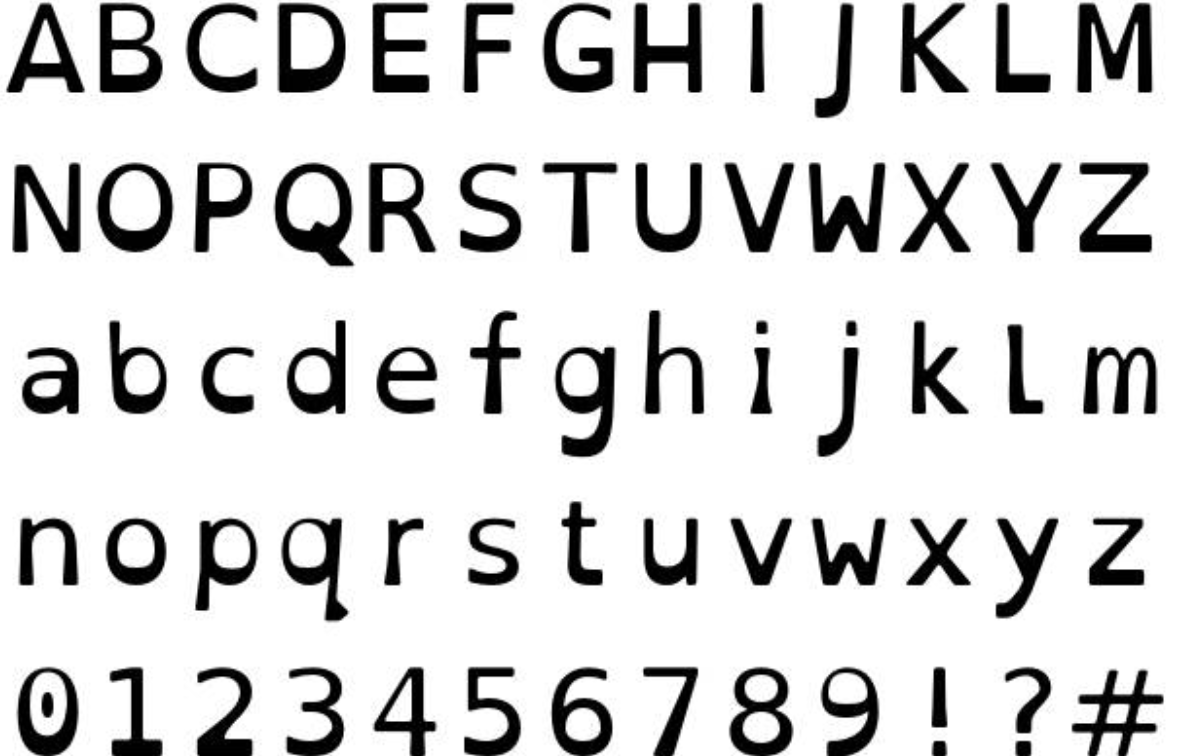
As you might have noticed, this page is in a font unique from the usual ones you might see on a website. This is because I thought that the most appropriate dyslexia awareness site would be readable for those with dyslexia. That is the audience we are trying to impact after all. Though there are a few different options out there for dyslexia-friendly fonts, this specific one is called OpenDyslexic, and was created by Abelardo Gonzalez. Each letter has a unique shape to prevent confusion, and the weighted bottoms easily convey which side is meant to be down. Subtle features like these make this font easier to read for those with dyslexia. You can learn more about OpenDyslexic at their website here.